A language spoken by one child: how a seed becomes a child who draws, writes and, later, draws themselves.Tek bir çocuğun konuştuğu dil: bir tohum nasıl çizen, yazan ve sonra kendini çizen bir çocuğa dönüşür.
The project began under a working name, idioglossia: a language invented and spoken by only one person, most often a small child. No one teaches it and no one else speaks it.
Proje bir çalışma adıyla başladı: idioglossia, tek bir kişinin icat ettiği ve yalnızca onun konuştuğu dil; çoğu zaman küçük bir çocuğun. Kimse öğretmez, başka kimse konuşmaz.
Babble is what comes before words: the sounds a child makes before they know the rules, a language that belongs to no one else. Every child draws before they write, and every drawing is already a babble of its own. So each of the 2611 drawings is a Babble, and together they are Babbles.
Babble, kelimelerden önce gelendir: çocuğun kuralları bilmeden çıkardığı sesler, başka kimseye ait olmayan bir dil. Her çocuk yazmadan önce çizer ve her çizim zaten kendi başına bir babble'dır. Bu yüzden 2611 çizimin her biri bir Babble, hepsi birlikte Babbles.
Later, on a day announced on X, the same hands draw themselves. Those self-portraits are the Babblers: the ones who made the Babbles.
Sonra, X'te duyurulacak bir günde, aynı eller kendilerini çizer. O otoportreler Babblers: Babbles'ı yapanlar.
For a long time I have been studying how we see: forms, shapes, colours and how they act on each other. Four dots in the right places show a square that is not there: the eye completes what is missing by itself. Some artists use this to lead the viewer's gaze exactly where they want it. For a long time my own work was about that too.
Uzun süredir nasıl gördüğümüzü araştırıyorum: formları, şekilleri, renkleri ve birbirlerine nasıl etki ettiklerini. Doğru yere konmuş dört nokta, orada olmayan bir kare gösterir: göz eksik olanı kendisi tamamlar. Bazı sanatçılar bunu, izleyicinin bakışını tam istedikleri yere götürmek için kullanır. Benim işlerim de uzun süre bunun üzerineydi.
When my little sister started first grade, doing her homework with her, I noticed she did not see like that. Her eye was not yet framed by what it had been taught. No one had quite told her yet how a house is drawn, which way a letter faces, where a colour should stay. And that very year, at school, the frame was beginning to be built.
Kız kardeşim birinci sınıfa başladığında onunla ödevlerini yaparken, onun böyle görmediğini fark ettim. Gözü henüz öğretilenlerle çerçevelenmemişti. Bir evin nasıl çizileceğini, bir harfin hangi yöne baktığını, bir rengin nerede durması gerektiğini henüz kimse ona tam olarak söylememişti. Ve tam o yıl, okulda, bu çerçeve kurulmaya başlıyordu.
Then I saw how much my own seeing had been framed. Every rule I knew made seeing easier, and also decided what I could not see.
O zaman kendi bakışımın ne kadar çerçevelendiğini gördüm. Bildiğim her kural, görmeyi kolaylaştırırken neyi göremediğimi de belirliyordu.
Babbles asks what this seeing makes before the frame closes, and how far a computer can follow it. Every child in the collection is between 3 and 7, standing before that threshold. Nothing in their drawings needs correcting. My sister's birthday is on 26 November: that is why there are 2611 drawings, and why they are given away on that day.
Babbles, çerçeve kapanmadan önceki bu bakışın ne ürettiğini ve bir bilgisayarın onu ne kadar takip edebileceğini soruyor. Koleksiyondaki çocukların hepsi 3 ile 7 yaş arasında, o eşiğin önünde. Çizimlerinde düzeltilmesi gereken hiçbir şey yok. Kız kardeşimin doğum günü 26 Kasım; bu yüzden 2611 çizim var ve bu yüzden o gün dağıtılıyorlar.
At the reveal on 28.11, every piece gets its own random number, the seed, written onchain. Everything about the child comes from it:
28.11'deki reveal'da her esere zincirde kendi rastgele sayısı, yani tohumu yazılır. Çocuğa dair her şey ondan gelir:
- AgeYaş3 to 7. Most are 6 or 7, like a first-grade classroom. Age decides what they can draw: younger children scribble and make shapes, older ones draw houses, families, a ground line.3 ile 7 arası. Çoğu 6 ya da 7 yaşında, bir birinci sınıf gibi. Neyi çizebileceğini yaş belirler: küçükler karalar ve şekil yapar, büyükler ev, aile ve yer çizgisi çizer.
- MoodRuh hâliJoyful, calm, shy or angry. An angry child presses hard and picks dark crayons; a shy one pulls their drawing into a corner.Neşeli, sakin, çekingen ya da öfkeli. Öfkeli çocuk sert bastırır ve koyu boyaları seçer; çekingen çocuk çizimini bir köşeye çeker.
- HandElWhether they draw from the shoulder or from the fingers, how patient they are, how much they repeat themselves, how fast they get tired.Omuzdan mı parmaklardan mı çizdiği, ne kadar sabırlı olduğu, kendini ne kadar tekrar ettiği, ne kadar çabuk yorulduğu.
- MaterialMalzemeColoured pencil, felt-tip pen, pastel or watercolour. Each leaves its own mark: fibres, dust, soaked edges.Kuru boya, keçeli kalem, pastel ya da suluboya. Her biri kendi izini bırakır: lif, toz, ıslak kenarlar.
- CrayonsBoyalar18 boxes: a school set, leftover crayons, notebook pens, neon markers, a single crayon, and two that come from the story.18 kutu: okul seti, artakalan boyalar, defter kalemleri, neon kalemler, tek bir boya ve hikâyeden gelen iki kutu.
- PaperKâğıtCream, white, grey card or a ruled notebook page; sometimes folded, erased or touched with a finger.Krem, beyaz, gri karton ya da çizgili defter yaprağı; bazen katlanmış, silinmiş ya da parmak izli.
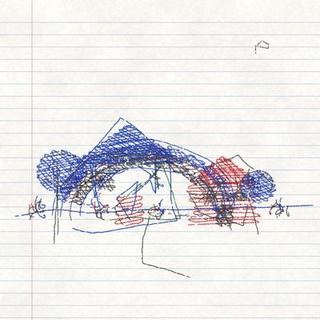
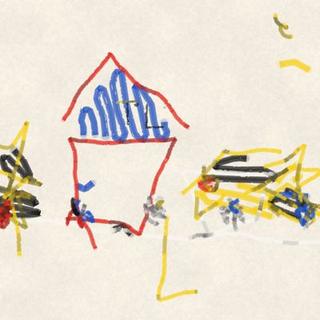
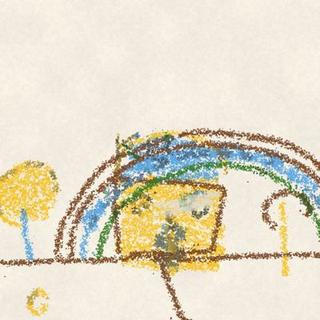
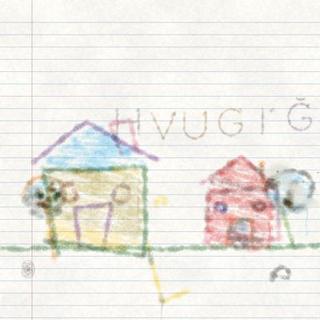
Eleven kinds of drawing, built on research into how children's drawing develops: from early scribbles and shapes to the schemas of the first school years.
On bir çizim türü; çocuk çiziminin nasıl geliştiğine dair araştırmalara dayanıyor: ilk karalamalar ve şekillerden okulun ilk yıllarındaki şemalara kadar.
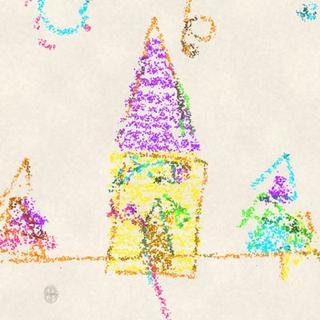
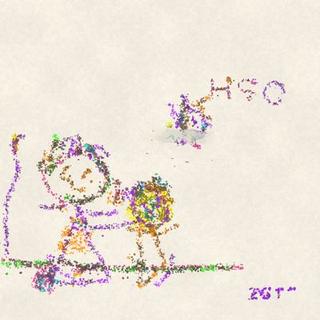
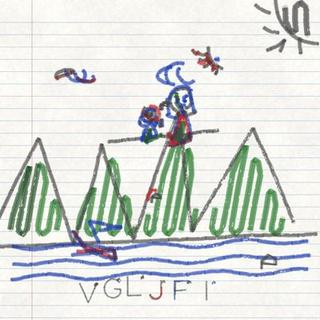
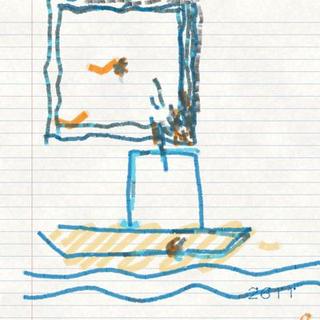
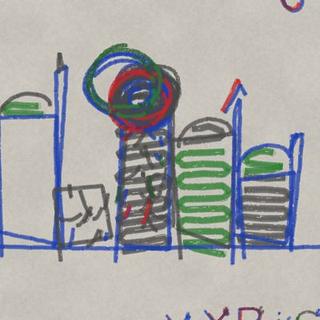
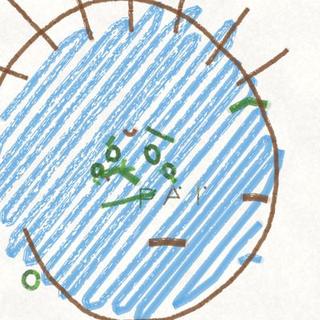
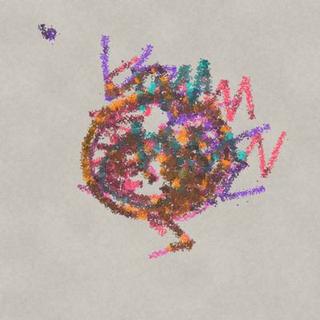
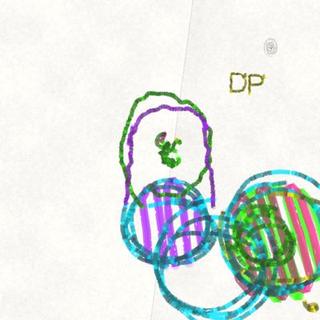
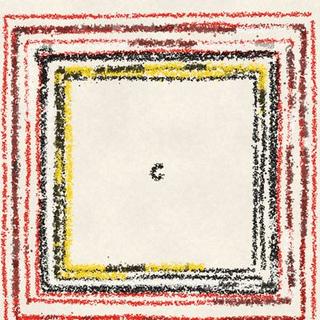
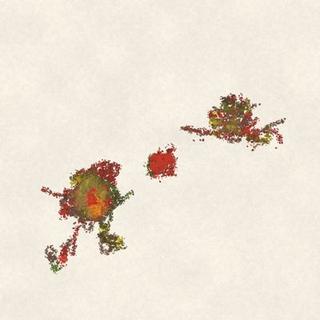
Inside each kind there is more variety: the same house can stand alone, sit in a row, have a path or a fence; a family can hold hands or stand apart.
Her türün içinde de çeşitlilik var: aynı ev tek başına durabilir, bir sıranın içinde olabilir, yolu ya da çiti olabilir; bir aile el ele tutuşabilir ya da ayrı durabilir.
Children do not draw what they see; they draw what they know. Some children in the collection see the world in one of these ways:
Çocuklar gördüklerini değil, bildiklerini çizer. Koleksiyondaki bazı çocuklar dünyayı şu biçimlerden biriyle görüyor:
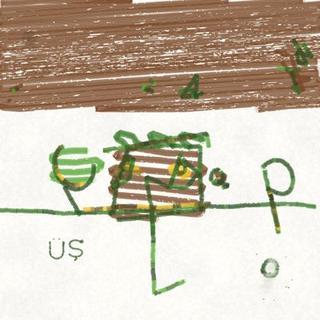
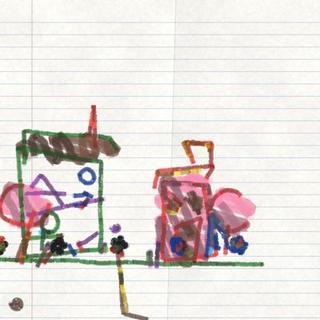
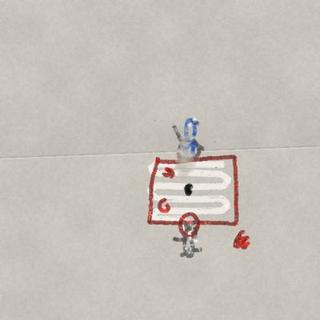
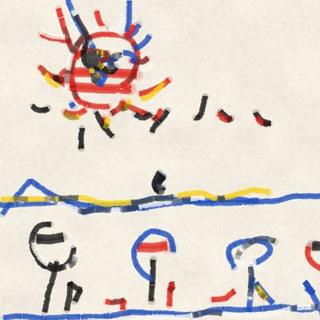
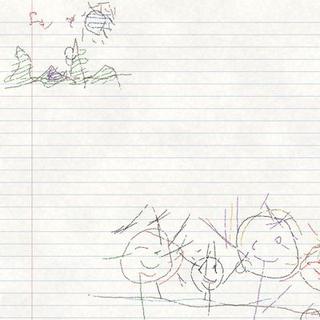
Nothing here is a finished image pasted in. Every drawing is made stroke by stroke, by the child's hand:
Burada hiçbir şey yapıştırılmış hazır bir görsel değil. Her çizim çizgi çizgi, çocuğun eliyle yapılır:
- LineÇizgiIt wobbles more in a younger hand, presses harder in an angry one, and loosens as the child gets tired.Küçük bir elde daha çok titrer, öfkeli bir elde daha sert basar, çocuk yoruldukça gevşer.
- ColouringBoyamaControlled, loose, over the lines, unfinished, in odd colours, or one heavy scribble.Kontrollü, gevşek, çizgiden taşan, yarım kalmış, tuhaf renklerle ya da tek bir sert karalama.
- CrayonsBoyalarSome children change crayon all the time, some never do; crayons get dirty as they go.Bazı çocuklar sürekli boya değiştirir, bazıları hiç değiştirmez; boyalar kullandıkça kirlenir.
- SittingsOturumlarSome drawings are made in two sittings: dark crayons first, light ones on top later.Bazı çizimler iki oturuşta yapılır: önce koyu boyalar, sonra üstüne açıklar.
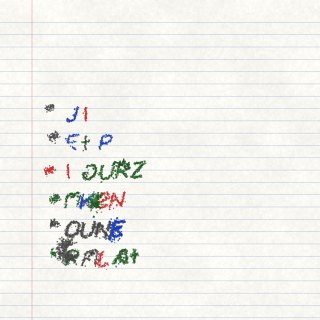
After drawing, the same hand writes its alphabet on a writing sheet: A to Z, then 0 to 9. A seven-year-old knows nearly all of them; a five-year-old knows many and tries the rest; a three-year-old writes a few and leaves the other boxes empty or fills them with rings and lines. Some letters come out backwards, the way they do at that age. Every hand has its own habits: wide or narrow letters, a lean, an open 4. One alphabet, one speaker.
Çizimden sonra aynı el, alfabesini bir yazı kâğıdına yazar: A'dan Z'ye, sonra 0'dan 9'a. Yedi yaşındaki çocuk neredeyse hepsini bilir; beş yaşındaki çoğunu bilir, kalanları dener; üç yaşındaki birkaç harf yazar, kalan kutuları boş bırakır ya da halkalar ve çizgilerle doldurur. Bazı harfler o yaşta olduğu gibi ters çıkar. Her elin kendi alışkanlıkları var: geniş ya da dar harfler, bir eğim, açık bir 4. Tek alfabe, tek konuşan.
- Careful handDikkatli elAbout 3 in 100 draw with a careful hand: steady lines, finished figures, colours inside the lines. A way of drawing, not a better one.Yaklaşık 100'de 3'ü dikkatli bir elle çizer: sağlam çizgiler, tamamlanmış figürler, çizginin içinde kalan renkler. Bir çizim biçimi; daha iyisi değil.
- SignedİmzalıAbout 4 in 100 sign their drawing, and the signature only ever reads 2611.Yaklaşık 100'de 4'ü çizimini imzalar ve imza hep yalnızca 2611 yazar.
- 26112611The birthday box. Very rare.Doğum günü kutusu. Çok nadir.
- Big Brother's PensAbinin kalemleriShe took her brother's pens: the colours of beltek's own collections. The rarest box.Abisinin kalemlerini almış: beltek'in kendi koleksiyonlarının renkleri. En nadir kutu.
- One CrayonTek boyaOnly one crayon in the box, so the whole drawing is one colour.Kutuda tek boya var; bütün çizim tek renk.
A drawing's rarity comes from how seldom its traits appear in the collection, with extra weight for the rarities that carry the story. It says how seldom a drawing is, never how good a child is.
Bir çizimin nadirliği, özelliklerinin koleksiyonda ne kadar seyrek göründüğünden gelir; hikâyeyi taşıyan nadirlikler daha ağır sayılır. Bir çizimin ne kadar seyrek olduğunu söyler, bir çocuğun ne kadar iyi olduğunu değil.
After the mint, on a day announced on X, every child gets the same assignment: draw yourself. The frame is the same for all, so the portraits stand side by side like a classroom wall; how each one is drawn comes from the child.
Mint'ten sonra, X'te duyurulacak bir günde, her çocuğa aynı ödev verilir: kendini çiz. Çerçeve herkes için aynı; portreler bir sınıf duvarı gibi yan yana durur. Her birinin nasıl çizildiğini çocuğun kendisi belirler.
What each child wears that day, and what is behind them, is decided only on that day. The portraits are sent as a gift, as a separate collection, to everyone holding a drawing at the snapshot.
Her çocuğun o gün ne takacağı ve arkasında ne olacağı ancak o gün belli olur. Portreler, snapshot anında bir çizim tutan herkese ayrı bir koleksiyon olarak hediye edilir.
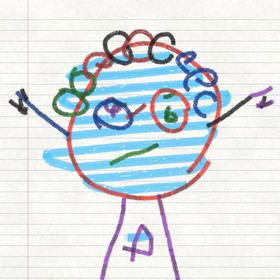
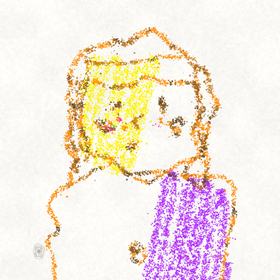
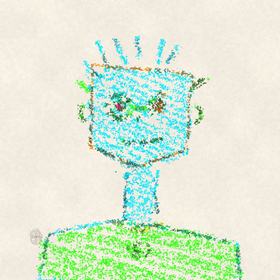
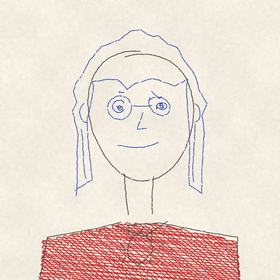
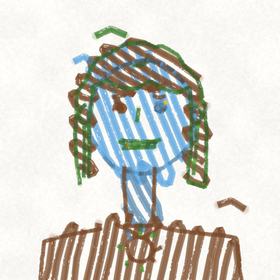
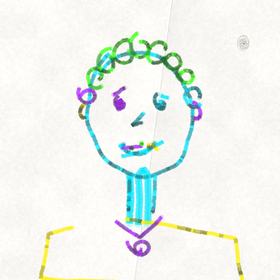
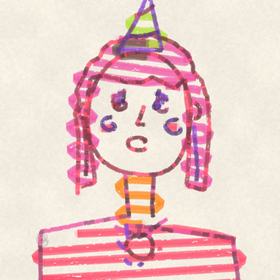
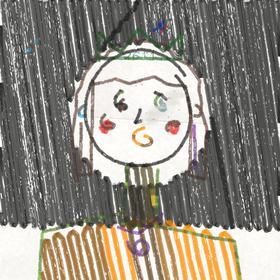
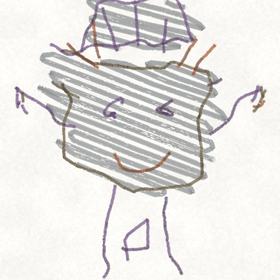
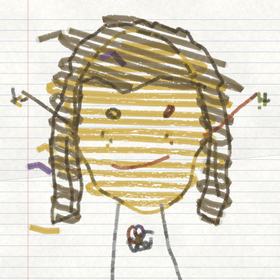
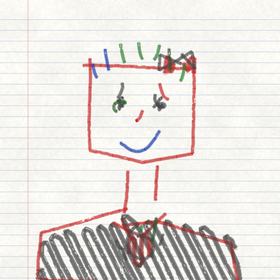
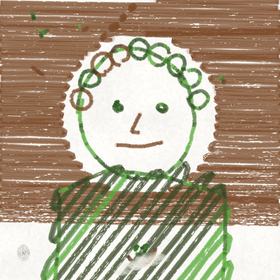
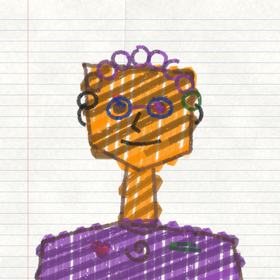
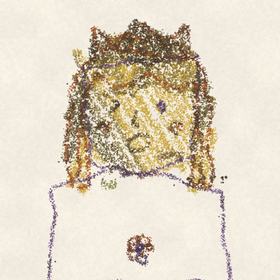
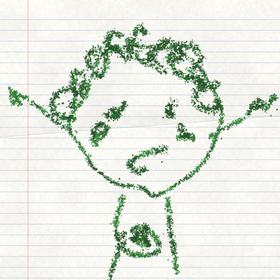
Previews: what each child wears, and what is behind them, is only decided on the day they arrive.Önizleme: her çocuğun ne takacağı ve arkasında ne olacağı ancak geldikleri gün belli olur.
every child draws before it writes. every drawing is already a language. no one teaches it. no one else speaks it. here, each seed is a child. it has an age, a mood, a hand. it picks a material. it presses too hard, or not enough. it gets tired. its crayons get dirty. it draws a house, a family, a sun. or only a line that will not stop. then it writes. the same hand makes its letters: twenty-six letters, one alphabet, one speaker. we stop drawing like this when we learn to see "correctly". none of it needs correcting. it keeps what we lost.
her çocuk yazmadan önce çizer. her çizim zaten bir dildir. kimse öğretmez. başka kimse konuşmaz. burada her tohum bir çocuk. bir yaşı, bir ruh hâli, bir eli var. bir malzeme seçer. fazla bastırır, ya da yetmez. yorulur. boyaları kirlenir. bir ev çizer, bir aile, bir güneş. ya da durmayan tek bir çizgi. sonra yazar. harflerini aynı el yapar: yirmi altı harf, tek alfabe, tek konuşan. "doğru" görmeyi öğrenince böyle çizmeyi bırakırız. hiçbirinin düzeltilmeye ihtiyacı yok. kaybettiğimizi saklar.